


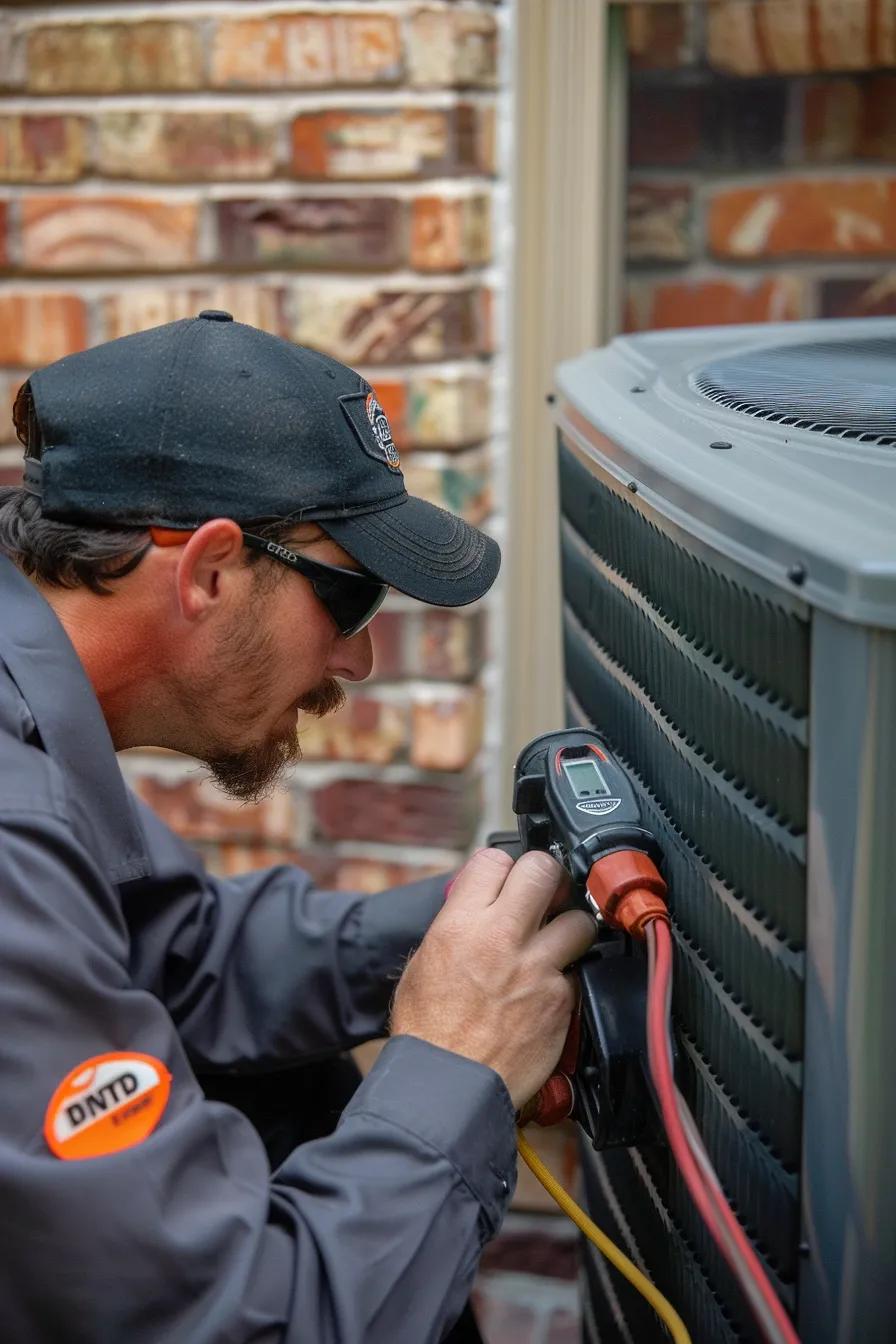
Seasonal AC Tune-Up & Preventative Maintenance — A Straightforward Guide to Reliable, Efficient Cooling
A seasonal AC tune‑up is a focused preventative visit where a technician inspects, cleans, adjusts, and tests your air conditioner before the hottest months. The goal is simple: help your system run more comfortably, more efficiently, and with fewer surprises. This guide walks you through what a tune‑up includes, why regular maintenance lowers energy bills and emergency repairs, and how Bear, DE homeowners can keep their systems healthy. You’ll find clear benefits, an itemized maintenance checklist, the main factors that affect price, and how tune‑ups influence indoor air quality and humidity. Practical checklists, comparison tables, and step‑by‑step scheduling tips make it easy to plan maintenance and compare service options. The following sections cover why regular AC care matters, what a full seasonal tune‑up looks like, how local pricing is determined, why homeowners choose DT Heating and Cooling, how maintenance improves indoor air, and how to schedule your service.
What Are the Key Benefits of Regular AC Maintenance?

Regular preventative maintenance keeps your system close to how it was designed to perform. By checking airflow, refrigerant levels, electrical connections, and cleanliness, we stop small problems before they turn into breakdowns. Routine attention to parts like coils, filters, condensate drains, and controls reduces run‑time, evens out temperatures, and lowers stress on moving parts—so your AC uses less energy and needs fewer emergency repairs. When homeowners schedule seasonal service, they usually notice better comfort, reduced energy use, longer equipment life, and cleaner indoor air. Below are the main benefits and how each one helps your home and budget.
Regular maintenance delivers these core advantages:
- Improved energy efficiency: cleaner components and correct calibration shorten run‑times and reduce electrical use.
- Longer equipment lifespan: catching wear early prevents premature failures.
- Fewer emergency repairs: inspections spot developing issues before they become breakdowns.
- Better indoor air quality: filter and coil care lowers allergens and dust.
- Safety and compliance: basic checks help ensure safe operation and proper refrigerant handling.
These outcomes work together to lower total ownership cost and make your home more comfortable. The table below shows common performance areas, how tune‑ups help, and the value you can expect.
Different benefits can be measured to help prioritize service investments.
| Performance Area | Typical Mechanism | Customer Value |
|---|---|---|
| Energy Efficiency | Cleaner coils and a calibrated thermostat improve heat transfer | Lower monthly utility bills and shorter run times |
| Equipment Lifespan | Regular lubrication and part inspections reduce wear | Delay or avoid costly replacements |
| Indoor Air Quality | Filter changes and coil cleaning reduce airborne particulates | Fewer allergens and better breathing comfort |
| Reliability | Electrical checks and refrigerant inspections prevent failures | Fewer emergency service calls |
How Does AC Maintenance Maximize Energy Efficiency and Lower Utility Bills?
Tune‑ups make your system more efficient by keeping heat‑exchange surfaces clean, airflow steady, and controls accurate. Dirty coils, clogged filters, or an out‑of‑calibration thermostat force the compressor and fan to run longer to reach your set temperature, which raises electricity use. Correct refrigerant charge and balanced airflow also improve the system’s operating efficiency, so it moves heat more effectively and uses less power. After a proper tune‑up most homeowners see incremental savings because the system runs smarter, not harder.
Simple efficiency tips: keep return vents clear, replace filters on schedule, and book a tune‑up before the cooling season. Track energy bills for a few months before and after service — you’ll often see the difference and can justify regular tune‑ups as an investment in lower operating costs.
In What Ways Does Preventative Maintenance Extend Your AC System's Lifespan and Prevent Costly Repairs?
Preventative maintenance extends equipment life by finding wear, loose wiring, and stressed components before they fail. During a tune‑up we inspect belts, capacitors, contactors, and motors—tightening or replacing parts as needed—to avoid small faults turning into compressor or motor failures. Finding refrigerant leaks early prevents oil contamination that shortens compressor life, and clearing condensate lines avoids water damage and mold that can harm coils and insulation. Regular service reduces cumulative stress on major parts, often adding years to a system’s usable life.
In plain terms: an annual tune‑up typically costs a small fraction of a mid‑life compressor replacement or an early system swap. When we catch a problem early, the repair tends to be quicker and less expensive than emergency work done during peak season.
What Does a Comprehensive Seasonal AC Tune-Up Include?
A comprehensive seasonal tune‑up is a sequence of diagnostic, cleaning, and adjustment steps that restore efficiency, safety, and reliability before peak cooling demand. The visit checks airflow, electrical components, refrigerant condition, heat‑exchange cleanliness, and control accuracy, and we document the system’s condition so you have a clear record. A good tune‑up follows a checklist that links each task to a tangible customer benefit and suggests how often the task should be done—helping you choose preventative work over reactive fixes. Below is a concise checklist of common tune‑up tasks and their outcomes.
Common tune‑up checklist items and outcomes:
- Clean condenser and evaporator coils: restores heat transfer and shortens run times.
- Check refrigerant level and inspect for leaks: preserves cooling capacity and reduces compressor strain.
- Inspect electrical connections and controls: lowers the risk of failures and electrical hazards.
- Replace or advise on air filter quality and schedule: keeps airflow steady and improves IAQ.
- Clear condensate drain and check pan: prevents overflows and microbial growth.
- Lubricate motors and inspect belts: reduces wear and operational noise.
- Calibrate thermostat and test system cycles: ensures accurate comfort control and proper cycling.
Technician professionalism and clear documentation matter. Many providers keep service records so future visits can track trends; for a local, family‑run company this continuity speeds diagnostics and makes recommendations more relevant to your home.
The table below ties each tune‑up task to what the technician does and how often you should expect it.
| Tune-up Task | What the Technician Does | Customer Benefit / Frequency |
|---|---|---|
| Coil cleaning | Remove debris, straighten fins, perform light chemical cleaning | Restores heat transfer; annual or as‑needed |
| Refrigerant inspection | Check charge and inspect joints for leaks | Protects compressor; at least annual |
| Electrical inspection | Tighten connections, test capacitors and contactors | Reduces failure risk; annual |
| Air filter management | Replace filters or recommend higher‑efficiency options | Better IAQ and airflow; replace every 1–3 months |
| Condensate service | Clear drain lines and pans | Prevents water damage and mold; annual check |
Which Services Are Part of DT Heating and Cooling's Preventative Maintenance Checklist?
Our preventative maintenance checklist covers the core items above, delivered with clear recommendations and flexible scheduling. We perform coil cleaning, refrigerant checks, electrical safety inspections, blower and motor lubrication, thermostat calibration, and condensate drain clearing—each tied to a practical outcome like improved efficiency or fewer breakdowns. Technicians document findings and explain any recommended repairs or upgrades so you can decide the next steps. As a family‑owned local company, we prioritize same‑day responsiveness when possible and translate inspection results into solutions that fit homes in our area.
This local checklist adds expectations for service speed, accountability, and straightforward reporting, then leads into how each step improves measurable performance.
How Do These Tune-Up Steps Improve Air Conditioning System Performance?
Each tune‑up task has a direct, practical effect: a clean coil transfers heat faster and shortens run cycles; the right refrigerant charge restores rated cooling; and a calibrated thermostat reduces temperature swings. Tightening electrical connections and testing components prevent intermittent faults and lessen starting stress on compressors, while blower adjustments restore proper airflow for even cooling and better dehumidification. Put together, these steps reduce cycling frequency, lower peak loads, and keep conditioned air steady through the house. Simple comparisons—think of a clean coil like a freshly serviced car radiator—help explain why small actions produce noticeable results.
Knowing this technical-to-customer connection makes it easier to prioritize maintenance when you notice symptoms such as longer run times, uneven cooling, or rising energy bills.
How Much Does an AC Tune-Up Cost in Bear, DE, and What Factors Affect Pricing?
Price depends on the scope of work, system complexity, accessibility, and any parts or refrigerant discovered to be needed during inspection. Flat‑rate tune‑ups commonly cover a standard checklist, but older systems, multi‑zone setups, or units needing refrigerant or replacement parts will increase labor and material costs. A transparent quote separates inspection and cleaning from additional repairs or refrigerant work—ask providers which items are included and which would cost extra. Because every home and system is different, an on‑site quote from a local provider gives the most accurate price for a Bear, DE property.
Common factors that influence final pricing and what they typically affect on the invoice:
- System accessibility and location: rooftop or tight access increases labor time.
- Unit complexity and age: older systems or uncommon parts require more work and parts sourcing.
- Required parts or refrigerant: replacements and proper refrigerant handling add material and disposal costs.
- Time of year and demand: peak season can affect availability and scheduling.
Use these points to compare quotes and set expectations. For an accurate, transparent price for your specific system, contact DT Heating and Cooling to request an on‑site quote or schedule a visit.
| Cost Driver | Why It Matters | Likely Impact on Invoice |
|---|---|---|
| Unit accessibility | Tight or elevated locations take longer and may need special equipment | Higher labor line items |
| System age | Older units can require more diagnostics and hard‑to‑find parts | More parts and replacement costs |
| Refrigerant type/volume | Safe handling and any replacement require certified work | Increased material and environmental handling costs |
| Diagnostics findings | Hidden faults discovered during the tune‑up | Additional repair charges beyond the base tune‑up |
What Is the Typical Price Range for Seasonal AC Tune-Up Services?
Prices vary by region and the depth of service offered. Some companies bundle a basic inspection and light cleaning, while others sell tiered packages with deep coil cleaning or advanced diagnostics. When comparing offers, focus on what’s included—tasks, parts, refrigerant handling, and any guarantees—rather than the sticker price alone. A localized quote from a provider will give the clearest estimate for your system and needs.
As you collect quotes, compare checklists and any service guarantees—value is as much about what maintenance prevents as what it fixes that day.
Which Elements Influence the Cost of AC Maintenance?
Several elements typically affect cost: how accessible the unit is, the system’s age and model, refrigerant needs, parts replacement, and how deep the cleaning must be. Accessibility increases labor hours; older or rare systems may need special parts or more diagnosis; repairing refrigerant leaks raises material and certified‑handling costs; and thorough coil or duct cleaning adds time and supplies. A transparent provider will itemize these elements so you can decide which repairs are urgent and which can wait. Ask for a written scope and recommendations to avoid surprises and to budget appropriately.
Knowing these cost drivers helps you request a clear, itemized quote from a local provider like DT Heating and Cooling when you’re ready.
Why Choose DT Heating and Cooling for Your Seasonal AC Tune-Up and Preventative Maintenance?
DT Heating and Cooling is a family‑owned HVAC company serving Bear, DE. We focus on fast, personable service and clear maintenance records you can trust. Our team aims for same‑day responsiveness for most calls, and we build maintenance plans that fit your equipment and how you use it. Local experience helps us make practical recommendations, and our technicians carry the state licenses you expect. Choosing a local, responsive team shortens downtime, simplifies follow‑up, and delivers a more personal service experience.
Here are a few reasons homeowners in Bear choose a local company for seasonal maintenance:
- Local responsiveness: quicker scheduling and faster follow‑up for urgent needs.
- Personalized solutions: recommendations tailored to your home and system history.
- Documented service: clear inspection reports that track trends over time.
- Licensed technicians: professional standards and regulatory compliance.
Those trust factors make it easier to set expectations for service quality and connect directly to our quick scheduling and same‑day responsiveness.
How Does Nearly 25 Years of Family-Owned Experience Benefit Bear, DE Customers?
Nearly 25 years of family ownership means deep knowledge of local homes, common equipment in the area, and seasonal demand that affects parts and scheduling. That local know‑how speeds diagnosis because our technicians recognize recurring issues and can prioritize likely fixes. Family ownership also tends to preserve customer records, which gives a useful history for future maintenance. That familiarity reduces diagnostic time and results in more relevant recommendations for Bear‑area homes.
Having a consistent, local team makes planning recurring maintenance easier and helps us respond quickly when things go wrong—important for homeowners who value reliability and practical, experience‑driven advice.
What Makes DT Heating and Cooling a Trusted Local HVAC Service Provider?
DT Heating and Cooling’s trust signals include licensed technicians, a family‑run approach that prioritizes customer relationships, and a commitment to same‑day response for most calls. We provide transparent reports and itemized recommendations so you understand your system’s condition and the trade‑offs between immediate repairs and monitoring. Publicly referenced licenses back up our technical competence. Sharing reviews and documented results, along with reliable responsiveness, builds confidence and supports ongoing maintenance relationships.
These practices lead naturally into how maintenance improves indoor air quality and household comfort—the next topic.
How Does Seasonal AC Maintenance Improve Indoor Air Quality and Home Comfort?
Seasonal maintenance helps indoor air quality by making sure filters, coils, and drain systems work properly so particles and biological growth are minimized. Regular filter changes reduce dust and allergens; coil cleaning and condensate care prevent mold and microbial buildup; and balanced airflow reduces stagnant spots where pollutants collect. Proper maintenance also improves humidity control because a healthy system dehumidifies as intended, which makes your home feel more comfortable and reduces conditions that encourage dust mites and mold. Together, these benefits make living spaces healthier and more comfortable in both temperature and moisture control.
Here are specific tune‑up tasks that directly affect IAQ and humidity control:
- Replace or recommend higher‑quality air filters to reduce airborne particulates.
- Clean evaporator coils to limit mold and improve dehumidification.
- Clear condensate drains to prevent standing water and microbial growth.
What Role Does AC Tune-Up Play in Allergen Reduction and Humidity Control?
A tune‑up helps reduce allergens by ensuring you have the right filters installed and properly seated so they catch dust, pollen, and pet dander. Coil and drain servicing remove trapped moisture and organic matter that can lead to mold, while restored airflow and correct refrigerant charge improve dehumidification during warm months. For homes with specific IAQ needs we may suggest upgrades such as higher‑efficiency filters or supplemental options like UV treatments—clearly distinguishing between routine maintenance and optional add‑ons. Timely seasonal heat pump tune-up services keeps your system operating in a way that consistently reduces airborne irritants and maintains target humidity levels.
Knowing how these pieces fit together helps you expect both comfort and IAQ improvements from regular tune‑ups.
How Does Preventative Maintenance Ensure Consistent Cooling and Cleaner Indoor Air?
Preventative maintenance creates a chain of outcomes: tune‑up actions improve airflow and heat exchange; better system performance delivers steadier temperatures; and steadier operation reduces pressure and moisture swings that stir dust or allow microbial growth. Warning signs that maintenance is overdue include uneven room temperatures, more dust, or longer run times—each indicating it’s time to book service. An annual spring tune‑up prepares your system for heavy cooling and helps keep both comfort and indoor air cleanliness steady all season. Catching issues early prevents small comfort problems from becoming major breakdowns.
This clear cause‑and‑effect logic supports scheduling regular maintenance and leads to the final practical steps for arranging a tune‑up with a local provider.
How Can You Schedule Your Seasonal AC Tune-Up with DT Heating and Cooling?
Scheduling a tune‑up is an easy three‑step process: tell us about your system, confirm an appointment window, and prepare for the technician’s visit. We accept phone calls and emails, aim to prioritize same‑day service for most requests, and confirm arrival windows so you know when to expect us. When you contact us, have your system make/model, recent symptoms, and any prior service notes handy to help the technician prepare. Our family‑run approach focuses on clear communication and documented findings so each visit builds a useful service history.
Follow these simple steps to request service or a tailored quote:
- Call our service number and describe your system and any symptoms.
- Email the service address with photos or basic system info if helpful.
- Confirm the appointment time; the technician will provide an arrival window and scope.
Preparing these details helps us bring the right tools and parts, speeds completion, and supports timely, responsive service.
What Are the Steps to Request a Free Quote or Schedule Service?
To get a quote or book a tune‑up, call our local service number or send an email with your address and system details; our coordinator will confirm availability and scope based on the info you provide. Be ready to describe symptoms, unit location (attic, rooftop, etc.), and any recent performance changes—this helps us estimate diagnostic time. On arrival, the technician performs the agreed checklist, documents findings, and outlines any recommended repairs or upgrades. You’ll receive a clear summary of completed work and next‑step recommendations so you can plan follow‑up service or parts replacement if needed.
This transparent scheduling and quoting process supports same‑day responsiveness and helps you decide between repairs and monitoring.
How Does DT Heating and Cooling Provide Same-Day Service and Personalized Solutions?
We prioritize same‑day responses by using local dispatching, stocking common parts, and relying on experienced technicians—especially helpful during peak season. Our approach is diagnostic first: we assess symptoms, explain findings, and present repair or maintenance options rather than pushing unnecessary replacements. Local licensing and documented procedures ensure work follows safety and regulatory standards. For Bear, DE homeowners who want timely, accountable service, DT Heating and Cooling combines local know‑how, licensed technicians, and a family‑run responsiveness that aims to minimize downtime.
When you’re ready to schedule, have your system details on hand and contact us by phone or email to secure a prompt appointment and a clear, documented service plan.
Frequently Asked Questions
1. How often should I schedule a seasonal AC tune-up?
We recommend at least one tune‑up per year—ideally in spring before cooling season starts. That timing gets your system ready for heavy use and helps prevent peak‑season failures. Homes with older systems or heavy use may benefit from twice‑yearly service. Regular tune‑ups catch issues early, extend equipment life, and help maintain indoor air quality.
2. Can I perform any maintenance on my AC system myself?
Yes. Homeowners can handle simple tasks like changing or cleaning air filters, keeping vents clear, and removing debris from around the outdoor unit. But leave refrigerant checks, electrical inspections, and major repairs to licensed pros. Simple care helps efficiency and longevity, but ask your technician for system‑specific guidance.
3. What should I do if my AC system is not cooling effectively?
First check the thermostat settings and replace a dirty filter. Make sure vents aren’t blocked. If those steps don’t help, contact a technician for a full inspection—issues like refrigerant leaks, compressor problems, or airflow restrictions need professional diagnosis and repair.
4. How can I improve indoor air quality in my home?
Improve IAQ by replacing filters regularly, using higher‑efficiency filters if appropriate, and scheduling routine AC maintenance. Consider supplemental measures like air purifiers, maintaining balanced humidity, and increasing ventilation. Keeping your home clean and reducing harsh chemicals also lowers indoor pollutants.
5. What are the signs that my AC system needs maintenance?
Signs include inconsistent cooling, strange noises (grinding, rattling), higher energy bills, weak airflow, ice on coils, or a musty smell. If you see any of these, schedule a tune‑up before a small issue becomes a breakdown.
6. Are there any warranties or guarantees associated with AC tune-up services?
Many providers, including DT Heating and Cooling, offer guarantees on work performed or on replaced parts—terms vary by service. Ask about warranties when you schedule so you understand what’s covered and for how long. Clear terms give you peace of mind and protect your investment.
7. How can I find a reliable HVAC service provider in my area?
Start with recommendations from friends, family, or neighbors and check online reviews. Look for licensed, insured providers with transparent pricing and clear service descriptions. Companies that document work and offer good communication—like DT Heating and Cooling—are often the best choice for ongoing maintenance.
Conclusion
Regular seasonal AC tune‑ups pay off: you’ll see better efficiency, longer equipment life, and improved indoor air quality. Prioritizing preventative maintenance helps you avoid costly repairs and keeps your system reliable through the cooling season. When you’re ready, contact DT Heating and Cooling to schedule your tune‑up and enjoy a more comfortable, worry‑free home.